

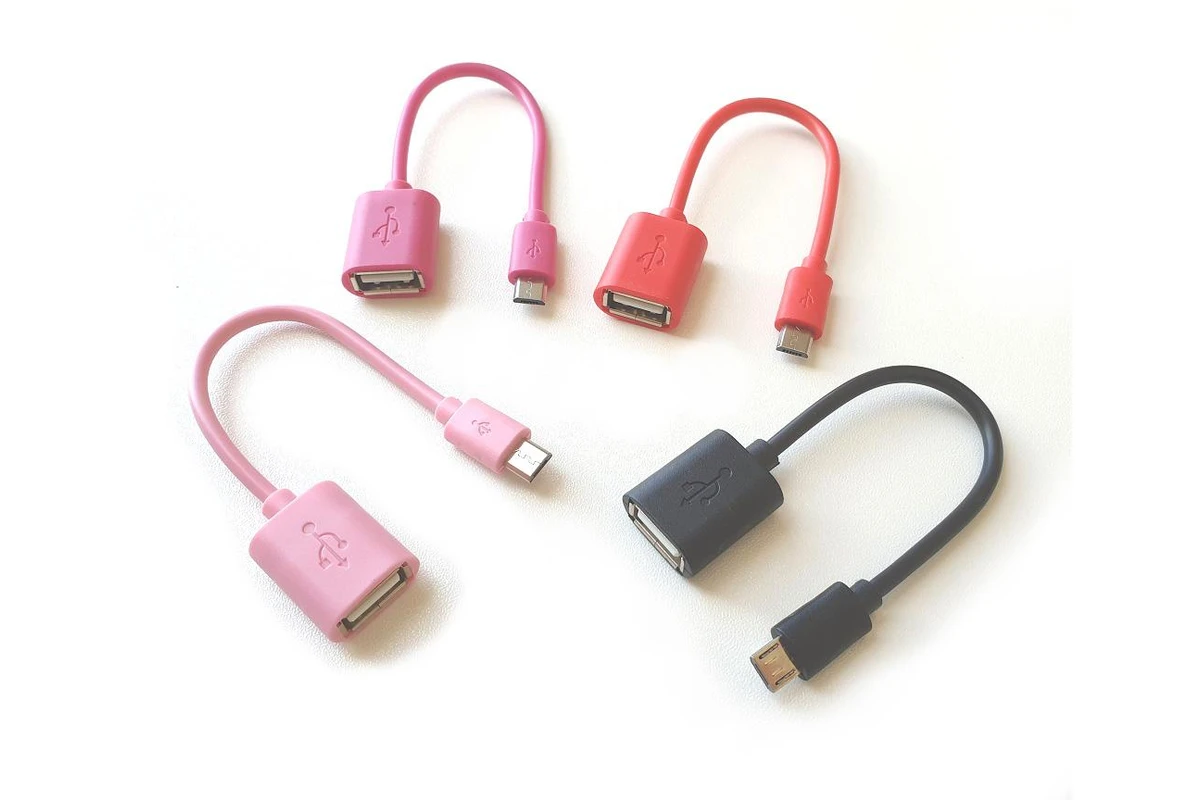
In today’s fast-paced world, mobility and convenience are everything. Imagine you’re traveling and need to transfer files between your smartphone and a USB drive without a computer. That’s where a cable USB on the go, also known as a USB OTG cable, comes into play. This small, handy device allows your smartphone, tablet, or other mobile device to act as a host, connecting directly to USB devices like flash drives, keyboards, or even game controllers.
Whether you’re a student, content creator, or mobile professional, understanding how USB on-the-go works can save you time, streamline your workflow, and expand your device’s functionality. In this guide, we’ll cover everything from how it works, the benefits, different types, to choosing the right cable, all in simple and practical terms.
What Is a Cable USB On The Go (OTG Cable)?
A cable USB on the go is a small adapter that allows a mobile device to directly communicate with USB peripherals. Unlike standard USB cables, which typically connect a device to a computer, an OTG cable turns your smartphone or tablet into a host, letting it control and exchange data with other devices.
Why it matters:
- Transfer files from USB drives directly to your phone
- Connect keyboards, mice, and game controllers without a computer
- Expand storage options for mobile devices
LSI Keywords: OTG cable definition, USB OTG functionality, USB on-the-go meaning
How Does a Cable USB On The Go Work?
USB OTG Pin Configuration and Signal Flow
A USB OTG cable uses specific pin configurations to enable devices to switch roles between host and peripheral. When plugged in, your mobile device recognizes the connected USB device and assigns it a function. This seamless interaction allows data transfer, peripheral control, and even charging in some cases.
Diagram suggestion:
Mobile Device (Host)
–
OTG Cable
–
Peripheral (Flash Drive, Keyboard, Game Controller)
Supported Devices and Compatibility
USB OTG cables work with a wide range of devices:
- Smartphones: Most Android phones with OTG support
- Tablets: Android and iPads (with Lightning OTG adapters)
- Cameras & Audio Devices: Some cameras and audio recorders allow direct USB transfer
- Portable Storage: USB drives, external HDDs, and SSDs
Tip: Check your device specifications to ensure OTG support.Not every smartphone or tablet has compatibility.
Benefits of Using a Cable USB On The Go
Easy File Transfer Between Devices
With an OTG cable, you can transfer files quickly without needing a computer. For instance, photographers can move large photo collections from a camera to a smartphone while on the go.
Expand Device Storage with External Drives
Many mobile devices have limited storage. An OTG cable lets you plug in an external hard drive or USB flash drive, expanding your storage instantly.
Connect Peripherals Without a PC
OTG cables allow you to connect keyboards, mice, game controllers, and even USB hubs. This is perfect for mobile productivity and gaming enthusiasts who want a console-like experience on their tablet or phone.
Types of Cable USB On The Go
USB Type-A to Micro USB OTG Cables
- Most common in older Android devices
- Simple and cost-effective
- Limitation: Slower transfer speeds
USB Type-A to USB-C OTG Cables
- Modern standard for new smartphones and tablets
- Faster data transfer and reversible connection
- Recommended for high-speed tasks and large file transfers
Lightning to USB OTG Cable
- Designed for iOS devices
- Compatible with iPhones and iPads
- Limited accessory support compared to Android OTG
Retractable and Compact OTG Cables
- Portable and travel-friendly
- Easy storage in a backpack or pocket
- Durability varies by brand
| Type | Compatible Devices | Pros | Cons |
| Micro USB OTG | Older Android | Cheap, widely available | Slower speeds |
| USB-C OTG | New Android, tablets | Fast, reversible | Slightly more expensive |
| Lightning OTG | iPhone/iPad | Apple compatible | Limited accessory support |
| Retractable OTG | Any | Portable, easy storage | Durability varies |
How to Use a Cable USB On The Go
Step-by-Step Guide for File Transfer
- Connect OTG cable to your smartphone or tablet
- Plug in USB drive or peripheral into the OTG adapter
- Access files through your device’s file manager
- Copy, move, or edit files as needed
Using OTG for Gaming Accessories
- Connect USB controllers, keyboards, or joysticks
- Many mobile games support these peripherals for enhanced control
- Perfect for tablet gaming or emulator setups
Troubleshooting Common OTG Issues
- Device not recognizing USB drive → Ensure OTG is supported and enabled
- Power limitations → Use powered USB hubs for energy-intensive devices
- Compatibility issues → Check file system format (FAT32, exFAT recommended)
Choosing the Right Cable USB On The Go
Consider Device Compatibility
- Ensure your phone/tablet supports OTG
- Match cable type to your device port (Micro USB, USB-C, Lightning)
Data Transfer Speed Requirements
- USB 2.0 → Standard speed, good for small files
- USB 3.0 → Faster, ideal for large files like HD videos
Durability and Build Quality
- Nylon braided cables → More durable
- Plastic cables → Affordable but less robust
- Cable length → Short cables are portable; longer cables offer flexibility
Best Cable USB On The Go Accessories in 2026
Here are some top-rated OTG cables and adapters:
| Brand | Type | Features | Price Range |
| Anker | USB-C OTG | High-speed, braided | $10–$15 |
| UGREEN | Micro USB OTG | Compact, lightweight | $7–$12 |
| Apple | Lightning OTG | Compatible with iPhone/iPad | $19–$25 |
| Amazon Basics | Retractable OTG | Travel-friendly | $8–$13 |
Pro Tip: Always buy from trusted brands to avoid device damage or slow transfer speeds.
Safety Tips When Using a Cable USB On The Go
- Use high-quality cables to prevent overheating or data loss
- Avoid connecting high-power devices that may drain your battery
- Format USB drives in FAT32 or exFAT for maximum compatibility
Legal Considerations
- Only transfer files you own or have permission to use
- Avoid copyrighted content without proper authorization
- Use OTG for personal productivity, educational content, or Creative Commons media
Frequently Asked Questions About USB OTG Cables
Is it possible for every smartphone to utilize a USB OTG cable? No, only devices with OTG support can recognize USB peripherals. Check your device specifications.
Can I charge my phone using OTG?
Some OTG setups allow minimal charging, but it’s mainly for data transfer.
Is USB OTG safe for my device?
Yes, if you use quality cables and avoid power-intensive peripherals.
What’s the difference between a standard USB adapter and OTG?
Standard adapters connect devices to computers. OTG enables direct communication between mobile devices and peripherals.
Conclusion: Why a Cable USB On The Go Is Essential
A cable USB on the go is more than just a small adapter—it’s a productivity booster, a storage extender, and a gaming enabler. Whether you want to transfer files, expand storage, or connect peripherals, an OTG cable makes mobile devices more versatile and powerful.
Invest in a quality USB OTG cable, understand your device’s compatibility, and start taking full advantage of mobile file transfers, peripheral connectivity, and enhanced productivity today.