

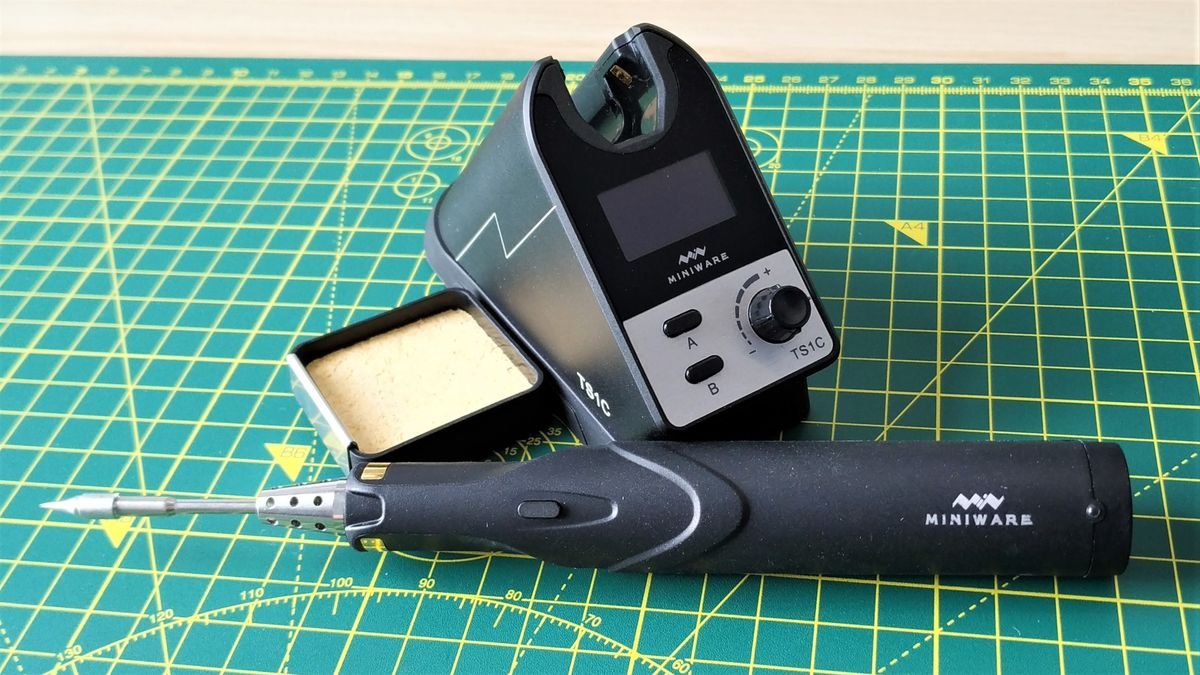
Imagine needing to solder a wire in your car, fix electronics out in the garage, or repair something on a job site and there’s no power outlet anywhere nearby. That’s exactly where a wireless soldering iron saves the day. No cord hunting. No extension cables. Just pick it up and get to work. But are cordless soldering irons actually good enough for real work, or do they cut corners compared to traditional corded models? This guide covers everything how they work, which ones perform best, honest pros and cons, and exactly who should buy one.
What Is a Wireless Soldering Iron and How Does It Work
A wireless soldering iron does exactly what the name says it solders without needing a wall outlet. Instead of drawing power from a cord, it runs on either a rechargeable battery or a butane fuel cartridge. Both approaches heat a metal tip hot enough to melt solder, joining wires, components, and metals together cleanly.
The concept sounds simple. And honestly, it is. But the technology behind getting a small portable tool hot enough to melt solder reliably without a direct power connection took years to get right. Early cordless models were underpowered and slow. Modern wireless soldering irons heat up fast, hold temperature well, and handle most soldering tasks without drama.
How Wireless Soldering Irons Heat Up
Battery powered models use a lithium-ion cell — similar to what you’d find in a power drill or smartphone — to drive a heating element inside the tip. When you press the trigger or switch, electricity flows from the battery through the element, generating heat within seconds. Better models reach working temperature in under 30 seconds. Some premium options heat up in under 10.
Butane models work differently. They burn a small amount of fuel gas inside the tool, converting combustion into heat directly at the tip. This approach generates very consistent, high temperatures often hotter than battery models and doesn’t depend on battery charge levels. The trade-off is that you need to refill the fuel tank periodically.
Battery Powered vs Butane Powered — Key Differences
Both varieties function effectively, yet they are tailored for distinct scenarios. Here’s what separates them:
Battery Powered:
- Rechargeable via USB or dedicated charger
- Cleaner to use indoors — no flame or gas involved
- Temperature may drop slightly as battery drains
- Great for light electronics work and occasional repairs
Butane Powered:
- Runs on refillable butane canisters
- Delivers consistent heat from start to finish
- Gets hotter than most battery models
- Better suited for heavy duty or outdoor work
Neither type is universally better. The right choice depends entirely on what you’re soldering and where you’re doing it.
How Hot Do Wireless Soldering Irons Actually Get
Temperature matters a lot in soldering. Most battery powered wireless soldering irons reach between 350°C and 450°C which covers the vast majority of common soldering jobs including electronics, jewelry, and light plumbing work. Butane models often push past 500°C, making them capable of tackling heavier metals and thicker connections.
Standard electronics solder melts around 180°C to 190°C. So even a mid-range cordless soldering iron runs hot enough for circuit boards, wiring repairs, and hobby projects with plenty of headroom to spare.
Wireless Soldering Iron vs Corded — Which One Should You Pick
This is the question most people ask before buying. And the honest answer is it depends on your work. A cordless soldering iron isn’t always better. But it’s also not always worse. Knowing where each type shines helps you avoid buyer’s regret.
When a Wireless Soldering Iron Makes More Sense
There are situations where going cordless is simply the smarter move:
- Working away from power outlets — cars, outdoor repairs, job sites, camping
- Quick occasional repairs — you don’t want to hunt for an outlet for a two-minute fix
- Tight spaces — no cord means no awkward pulling or tangling
- Travel and portability — lightweight cordless tools pack easily in a bag or toolbox
- Hobbyists and makers — people who solder occasionally rather than for hours daily
If most of your soldering happens in short bursts and in varied locations, a wireless soldering iron fits your life better than a corded one.
When a Corded Iron Is Still the Better Choice
Corded irons still dominate in certain situations — and being honest about that matters:
- Long soldering sessions — corded irons never run out of power mid-job
- Precision electronics work — high-end corded stations offer tighter temperature control
- Professional repair shops — reliability and consistency matter more than portability
- High volume work — soldering dozens of connections daily drains batteries fast
A professional electronics technician running a repair shop will likely keep a corded station as their main tool. But that same technician might still grab a cordless iron for field repairs.
Side by Side Comparison — Wireless vs Corded
| Feature | Wireless Soldering Iron | Corded Soldering Iron |
| Portability | Excellent | Limited by cord |
| Heat consistency | Good — varies by model | Very consistent |
| Max temperature | Up to 500°C butane | Up to 480°C+ |
| Session length | Limited by battery/fuel | Unlimited |
| Startup time | 10 to 30 seconds | Similar |
| Price | Slightly higher | Wide range |
| Indoor safety | Battery models clean | Butane needs ventilation |
| Best for | Portable and occasional use | Heavy and professional use |
Best Wireless Soldering Irons Available Right Now
The market for cordless soldering irons has grown significantly. Choosing the right one means matching the tool to your actual needs — not just grabbing the most expensive option on the shelf.
Best Overall Wireless Soldering Iron
The best overall cordless models combine fast heat-up times, solid battery life, and reliable temperature control. Look for a rechargeable soldering iron that reaches at least 400°C, heats up in under 20 seconds, and includes interchangeable tips. Models with USB-C charging add convenience since you can top them up with the same charger you use for your phone.
Key features to prioritize in an overall best pick:
- Minimum 400°C maximum temperature
- USB-C or fast charging support
- A minimum of 30 minutes of uninterrupted operation for each charge.
- Replaceable tips included in the box
- Comfortable grip that doesn’t get hot during use
Best Budget Cordless Soldering Iron
You don’t need to spend a lot to get a capable cordless soldering iron for basic work. Budget models in the lower price range handle wire repairs, light electronics, and hobby projects without issue. The trade-off is usually slower heat-up times and shorter battery life. But if you solder occasionally and want something affordable a budget cordless iron does the job.
What to accept in a budget model:
- Slightly longer heat-up time — 30 to 60 seconds
- Shorter battery life — 15 to 20 minutes continuous
- Fewer included tip styles
- Basic rather than precise temperature control
Best Wireless Soldering Iron for Electronics Work
Electronics work demands precision. Soldering tiny components on circuit boards requires a fine tip, controlled heat, and a steady hand. The best wireless soldering iron for electronics prioritizes tip precision over raw power. A pencil-tip or conical tip that concentrates heat in a small area prevents accidental damage to nearby components.
For electronics specifically, look for:
- Fine or conical tip options
- Temperature stability heat shouldn’t drop significantly under load
- Lightweight design for better control
- ESD safe construction to protect sensitive components
Best Butane Powered Wireless Soldering Iron
Butane soldering irons suit outdoor work, plumbing repairs, and any job requiring sustained high heat. They run hotter than battery models and don’t slow down as fuel depletes the way batteries do. Quality butane models also convert into hot air blowers for heat shrink tubing — a useful bonus for electrical work.
Pros and Cons of Using a Wireless Soldering Iron
Nobody should buy any tool without understanding its real limitations.Here is a candid examination of each perspective.
The Real Advantages Nobody Talks About
Everyone mentions portability. But there are other genuine advantages that don’t get enough attention:
- No cord accidents — cords snag, pull, and knock things over. Removing the cord removes that risk entirely
- Faster setup — grab it, turn it on, solder. No outlet hunting, no cord untangling
- Works during power outages — when the power goes out, a battery or butane iron keeps working
- Great for learning — beginners find cordless irons less intimidating and easier to handle safely
- Multi-use tools — many butane models include hot air and flame attachments, making them genuinely versatile
The freedom of working anywhere without planning around outlet locations is genuinely underrated especially for people who do repairs across multiple locations.
Honest Downsides You Should Know Before Buying
- Battery life limits long sessions expect 20 to 45 minutes depending on the model and temperature setting
- Battery powered models may lose heat consistency as charge drops
- Butane models need refilling running out of fuel mid-job is frustrating
- Generally cost more upfront than equivalent corded irons
- High-end temperature control is harder to achieve in portable form
Real World Case Study — Using a Wireless Soldering Iron on the Job
The Situation — Working Without a Power Outlet
An automotive electrician needed to repair damaged wiring in a vehicle located in a customer’s driveway no garage, no extension cord long enough, and no power outlet nearby. Driving the car to the shop wasn’t an option because the electrical fault made it unsafe to drive.
How the Wireless Soldering Iron Performed
The electrician used a rechargeable cordless soldering iron with a full charge. The iron heated up in 15 seconds. Three separate wire joints needed soldering each took under two minutes to complete cleanly. Total battery used roughly 40 percent of a full charge. The joints looked clean and tested solid under load.
What This Tells You About Real World Use
A wireless soldering iron handled a professional automotive repair perfectly in a situation where a corded iron simply wasn’t an option. The key takeaway is that cordless doesn’t mean compromised. It means flexible. For the right job in the right situation, a portable soldering iron performs just as well as its corded counterpart.
How to Use a Wireless Soldering Iron Correctly
Good technique matters as much as the tool itself. A quality wireless soldering iron in the wrong hands still produces bad joints.
Getting the Iron Ready for First Use
Before your first solder, tin the tip. Tinning means applying a small amount of fresh solder directly to the heated tip before use. This protects the tip from oxidation and helps heat transfer smoothly to your work. Every time you pick up the iron, tin the tip first. It takes five seconds and makes a noticeable difference in how well the iron performs.
Steps for first use:
- Charge the battery fully before first use
- Heat the iron to working temperature
- Apply a small amount of solder to the tip let it coat the surface
- Wipe the excess on a damp sponge or brass tip cleaner
- The tip should look shiny silver not dark or dull
Soldering Technique Tips for Beginners
- Heat the joint not the solder. Touch the iron tip to the metal you’re joining, then touch solder to the joint
- Keep the iron moving slightly holding it in one spot too long damages components
- Use the right amount of solder a good joint looks shiny and smooth, not blobby
- Work quickly most electronics joints take under three seconds once the iron is at temperature
- Let joints cool naturally blowing on them can cause cold joints that fail later
Common Mistakes That Ruin Your Work
- Cold joints — not enough heat before applying solder. The solder looks dull and grainy instead of shiny
- Too much solder — excess solder bridges nearby connections and causes short circuits
- Moving the joint before it cools — disturbing a joint while cooling creates a weak connection
- Dirty tips — oxidized tips don’t transfer heat properly. Clean regularly during use
How to Take Care of Your Wireless Soldering Iron
A well maintained cordless soldering iron lasts years. A neglected one fails in months. The good news maintenance takes very little time.
Cleaning the Tip the Right Way
Clean the tip every few minutes during use. Two methods work well:
- Damp sponge — wipe the tip across a slightly damp cellulose sponge. The thermal shock cleans oxidation off the tip surface
- Brass wire cleaner — roll the tip in a ball of brass shavings. Gentler than a sponge and doesn’t cool the tip as much
After every session, apply fresh solder to the tip before storing. This protective coating prevents oxidation while the iron sits unused.
Battery Care and Charging Best Practices
- Don’t let the battery drain completely before recharging partial charges are fine for lithium-ion batteries
- Avoid leaving the iron on charge for days at a time once fully charged
- Store the iron at around 50 percent charge if you won’t use it for several weeks
- Keep the charging port clean and dry
Storage Tips to Make It Last Longer
- Store the iron with the tip covered if a cap came in the box
- Keep it away from damp environments moisture damages both the battery and tip
- Store in a case or pouch to prevent tip damage from knocks and drops
- Don’t store butane models with fuel in a hot car or direct sunlight
Who Should Buy a Wireless Soldering Iron
Not everyone needs a cordless iron. But more people would benefit from one than realize it.
Perfect for Hobbyists and DIY Enthusiasts
If you build electronics kits, repair household items, work on RC cars, or do any kind of maker project a wireless soldering iron fits perfectly into your toolkit. You probably don’t solder for hours at a stretch. Short sessions in the garage or at a workbench suit cordless tools well. The convenience of not running an extension cord to your workspace alone justifies the purchase for most hobbyists.
Professional Use — Where It Works and Where It Doesn’t
Professionals in automotive, HVAC, plumbing, and field electrical work get real value from cordless soldering irons. Work happens in vehicles, attics, crawl spaces, and outdoor locations where outlets don’t exist. For these trades, a high-quality butane or rechargeable iron is a genuine productivity tool not just a convenience.
Professional electronics repair technicians who work at a bench all day will likely keep their corded station as the primary tool. But most of them still find a portable soldering iron useful for occasional off-bench work.
Gift Ideas — Is a Wireless Soldering Iron a Good Gift
Yes, with one condition. Know what the recipient actually does. A hobbyist who builds electronics or does DIY repairs will genuinely appreciate a quality cordless iron. Someone who has never soldered anything won’t know what to do with it. Pair a wireless soldering iron with a beginner soldering kit some solder, helping hands, and a simple practice board and you’ve given a gift that actually gets used.
dry place away from temperature extremes.
Frequently Asked Questions
What is a wireless soldering iron?
A wireless soldering iron works without a power cord. It runs on a rechargeable battery or butane cartridge, heating a metal tip hot enough to melt solder for joining wires and components.
How long does the battery last?
Most rechargeable cordless soldering irons give 20 to 45 minutes of continuous use per charge. Light and intermittent use stretches that time significantly.
Can it do professional work?
Yes — for the right jobs. Automotive electricians and field repair workers use cordless irons professionally every day. For long bench sessions needing precise temperature control, a corded station works better.
Butane or battery — which is better?
Neither is universally better. Battery models suit indoor electronics work. Butane models run hotter and handle heavier jobs better. Pick based on where you solder most often.
How hot does it get?
Battery models reach 350°C to 450°C. Butane models often exceed 500°C. Both handle common soldering jobs easily — standard solder melts around 180°C to 190°C.
Can beginners use one?
Absolutely. Cordless irons are lighter and less intimidating than corded ones. Start with a simple battery model and practice on scrap wire first.
How do I maintain it?
Clean the tip during use with a damp sponge or brass cleaner. Apply fresh solder to the tip before storing. Keep the battery charged and store in a dry place.