

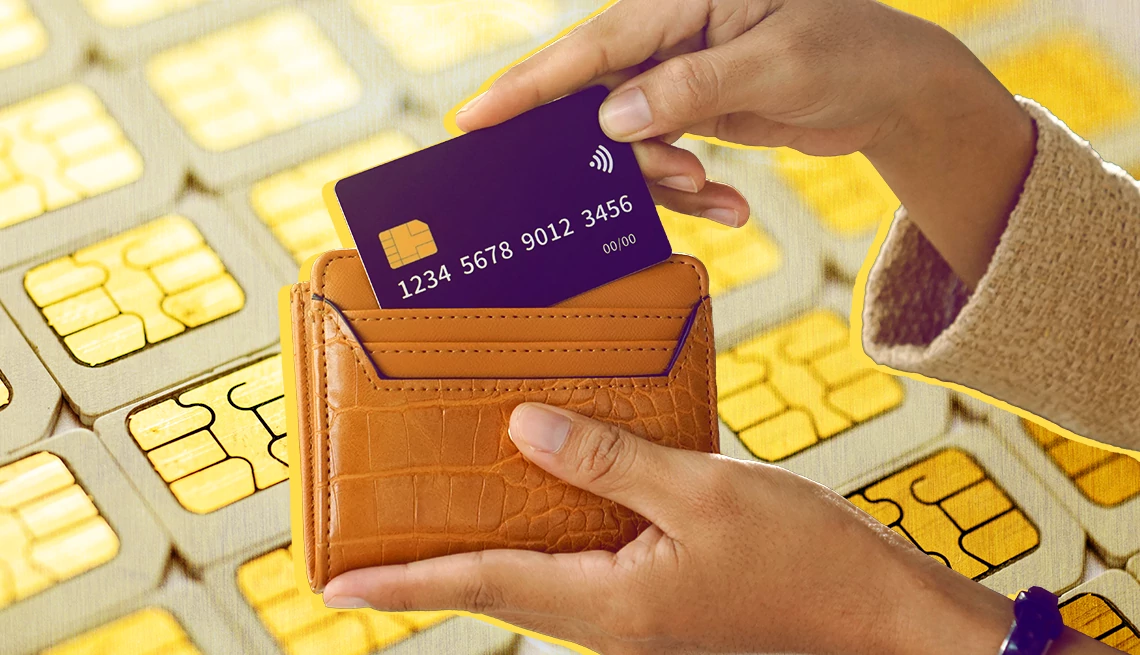
RFID Blocking Wallet Necessary 2026,You see RFID blocking wallets everywhere these days. Stores promote them as must-have security tools. Online ads make them sound essential. It almost feels like your money is at risk if you don’t have one.
But is that really true in 2026?
Let us take a moment to pause and examine this carefully. You deserve a clear answer, not fear-based marketing. This guide explains what RFID wallets do, how the technology works today, and whether you actually need one in real life.
What Is an RFID Blocking Wallet
An RFID blocking wallet is designed to protect your cards from wireless scanning. Some modern debit and credit cards use RFID or NFC technology. This allows contactless payments.
For example, when you tap your card at a payment terminal, the card sends data wirelessly. It feels fast and easy. That convenience is why many people worry about security.
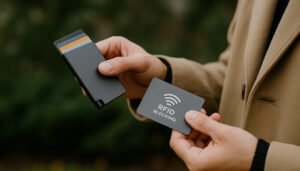
An RFID wallet uses a special material. This material blocks radio signals. So if someone tries to scan your card, the signal cannot pass through the wallet.
That sounds useful. However, the real question is whether that threat actually exists at a serious level.
How RFID Technology Works in 2026
Technology has changed a lot. Payment systems today are far more secure than they were years ago.
Here’s how RFID works in simple terms:
- Your card contains a tiny chip
- The chip communicates over a very short distance
- A payment terminal reads that data when you tap
The important part is distance. The signal range is extremely small. In most cases, it works only within a few centimeters.
That means someone cannot scan your card from across the room. They would need to stand very close to you. Not just close, but uncomfortably close.
Even then, modern systems add another layer of security. They do not send your full card details. Instead, they use tokenization, which means temporary data replaces your real information.
So even if someone tried to capture that signal, it would not be very useful.
Is RFID Blocking Wallet Necessary in 2026
Now let’s answer the main question clearly
.
For most people, an RFID blocking wallet is not necessary in 2026.
That might sound surprising. After all, so many products push this feature. But real-world data tells a different story.
Most financial fraud does not happen through wireless scanning. It happens online. People fall for fake websites. They click on phishing emails. They enter their details on unsafe platforms.
Compared to that, RFID theft is extremely rare.
Banks also monitor suspicious activity in real time. If something unusual happens, they block the transaction quickly.
So the risk exists in theory, but in everyday life, it is very low.
Why RFID Wallets Became Popular
You might wonder why these wallets became so popular if the risk is low.
The answer is simple. Fear sells.
When contactless cards first became common, people did not fully understand how they worked. That created uncertainty. Brands used that fear to promote RFID wallets as a solution.
It worked well. People felt safer buying them.
Over time, the idea stuck, even though security systems improved significantly.
So today, RFID wallets are still sold as essential products, even though most users do not really need them.
Situations Where RFID Blocking Wallets Make Sense
Even though they are not necessary for everyone, there are situations where they can be useful.
If you travel often, especially in crowded areas like airports or public transport, you might prefer extra protection. Busy environments increase the chance of someone getting close enough to attempt scanning.
If you carry multiple contactless cards, you may also want that added layer of security.
Some people simply feel more comfortable knowing they have extra protection. That peace of mind can be valuable.
So while it is not essential, it can still make sense depending on your lifestyle.
Pros of RFID Blocking Wallets
RFID wallets do offer some benefits.
- They add an extra layer of security
- They block unwanted wireless signals
- They are easy to use and require no setup
- They offer reassurance in busy environments
For someone who values safety above all else, these benefits can be enough.
Cons of RFID Blocking Wallets
At the same time, there are drawbacks you should consider
.
- They are often unnecessary for everyday use
- Many regular wallets already reduce signal strength
- The risk they protect against is very small
- Some products are overpriced due to marketing
When you look at both sides, it becomes clear that the value depends on your personal needs.
RFID Blocking Wallet vs Regular Wallet
Here is an easy comparison to clarify matters:
| Feature | RFID Blocking Wallet | Regular Wallet |
| Signal Protection | Yes | Limited |
| Daily Security | Slightly higher | Already strong |
| Price | Higher | Normal |
| Necessity | Optional | Enough for most users |
This table shows that while RFID wallets offer extra protection, regular wallets are already safe for most situations.
Real-Life Scenario
Envision yourself strolling through a retail center.
For someone to scan your card, they would need to stand very close to you. They would also need a special device. Even then, the data they get would be limited.
Now compare that with a common online scam. A fake email asks you to verify your bank details.You tap on the link and provide your details.
That is far more dangerous. And it happens every day.
So instead of worrying too much about RFID scanning, it makes more sense to focus on online safety.
Common Myths About RFID Wallets
There are many misunderstandings around this topic.
Some people believe hackers can scan cards from a distance. That is not true. The range is very short.
Others think money can be stolen instantly. In reality, transactions require verification and are monitored by banks.
Another common belief is that everyone needs RFID protection. In fact, most people do not.
Understanding these myths helps you make a better decision.
Better Ways to Protect Your Money

If you want real security, focus on the basics.
- Always check your bank statements
- Enable transaction alerts
- Avoid clicking unknown links
- Use trusted websites only
- Keep your phone and apps updated
These habits protect you from the most common threats.
Compared to these steps, RFID protection plays a very small role.
The Future of Payment Security
Looking ahead, payment systems will become even safer.
Biometric authentication is growing. Mobile wallets are replacing physical cards. Banks are using artificial intelligence to detect fraud instantly.
All of this reduces the importance of RFID blocking wallets even further.
In a few years, physical cards themselves may become less common.
Final Verdict – RFID Blocking Wallet Necessary 2026
Now let’s bring everything together.
RFID blocking wallets are not essential in 2026. They provide an extra layer of protection, but the real-world risk they address is very low.
For most people, a regular wallet is enough. Modern banking systems already offer strong security.
However, if you travel often or prefer extra safety, an RFID wallet can still be a good choice.
The decision depends on your comfort level, not on fear.
Quick Summary
- RFID wallets block wireless signals
- Contactless cards use very short range communication
- Real RFID theft cases are rare
- Banks provide strong security systems
- RFID wallets are optional, not necessary