

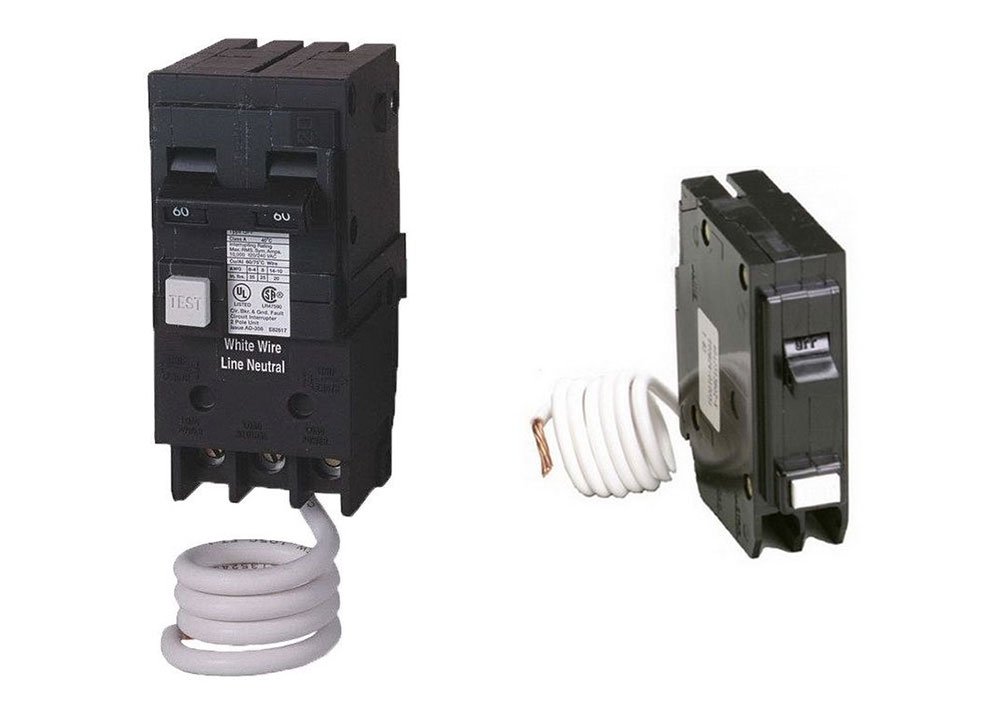
Electrical ground faults cause thousands of house fires, hundreds of electrocutions, and billions of dollars in property damage every single year. The scary part? Most of these incidents were completely preventable. A faulty wire behind a wall, a worn-out appliance cord, a bathroom outlet without proper protection — these seemingly minor issues can escalate into life-threatening emergencies faster than you’d imagine.
Here’s the thing. Most homeowners never think about ground faults until something goes wrong. A tripped breaker, a burning smell, a tingling sensation when touching an appliance — these are warning signs that demand immediate attention. Ignore them and you’re gambling with your safety.
This guide covers everything you need to know about electrical ground faults — what they are, what causes them, how to detect them, and most importantly, how to protect yourself and your home from them.
What Are Electrical Ground Faults?
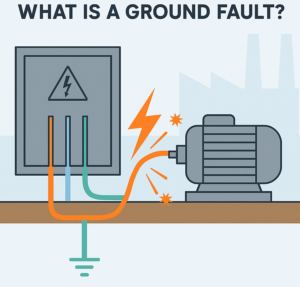
Simple Definition of an Electrical Ground Fault
An electrical ground fault occurs when electrical current escapes its intended path and finds an unintended route to the ground. Think of electricity like water flowing through pipes. Under normal conditions, current flows from the power source through the hot wire, powers your device, and returns through the neutral wire. Clean, controlled, predictable.
A ground fault breaks that clean loop. Current leaks out of its designated pathway — through damaged insulation, a faulty appliance, or a compromised connection — and flows somewhere it absolutely shouldn’t. That somewhere could be a metal appliance casing, a wet floor, a wall cavity, or disturbingly, a human body.
The difference between a ground fault and a short circuit confuses many people. Here’s the clear distinction:
- Ground fault — current leaks from a live conductor to a grounding path or unintended surface
- Short circuit — current flows directly between two conductors (hot to neutral) bypassing the load entirely
- Open circuit — the circuit path breaks completely and current stops flowing
Ground faults are particularly dangerous because they often involve low-level current leakage that standard circuit breakers don’t detect quickly enough to prevent harm.
How Electrical Grounding Works
Electrical grounding is the safety foundation of every modern wiring system. The ground wire — typically bare copper or green insulated wire — provides a low-resistance path back to the earth for any stray current. Under normal operation, the ground wire carries zero current. It just sits there, waiting.
When a fault occurs, the ground wire gives that rogue current a safe escape route — directing it away from people and equipment and back to the panel where a breaker can trip and cut the power. Without proper grounding, stray current has nowhere to go except through whatever conductive path presents itself. Sometimes that path is you.
Ground Fault vs Short Circuit vs Open Circuit
| Fault Type | What Happens | Primary Danger | Detection Speed |
| Ground Fault | Current leaks to unintended ground path | Electrocution, fire | Slow without GFCI |
| Short Circuit | Hot meets neutral directly | Immediate fire risk | Fast — breaker trips quickly |
| Open Circuit | Circuit path breaks | No power, equipment damage | Immediate — power loss |
| Arcing Fault | Current jumps through air gap | Severe fire risk | Requires AFCI protection |
Common Causes of Electrical Ground Faults
Damaged or Deteriorated Wire Insulation
Wire insulation doesn’t last forever. Over decades of use, heat cycling, physical stress, and simple aging cause insulation to crack, harden, and eventually fail. When insulation breaks down, the bare conductor inside can contact grounded metal surfaces — creating a direct ground fault pathway.
Primary insulation failure causes:
- Age — wiring older than 30–40 years carries significantly elevated fault risk
- Heat exposure — sustained heat from overloaded circuits accelerates insulation breakdown
- Rodent damage — mice and rats chew through insulation with alarming frequency
- Physical damage — nails, screws, and staples driven through walls can pierce wire insulation
- Chemical exposure — certain cleaning products and industrial chemicals degrade insulation materials
Homes built before 1980 deserve particular scrutiny. Many still contain original wiring with insulation that has long since passed its reliable service life. This aging infrastructure represents one of the leading contributors to residential electrical ground faults nationwide.
Moisture and Water Intrusion
Water and electricity form one of nature’s most dangerous combinations. Water isn’t actually a great conductor on its own but the minerals and impurities dissolved in tap water, groundwater, and even humidity make it highly conductive. When moisture contacts live electrical components, it creates unintended conductive pathways that trigger ground fault conditions instantly.
High-risk moisture zones in every home include:
- Bathrooms — combination of water, steam, and electrical devices
- Kitchens — sink splash zones, dishwasher areas, and under-counter wiring
- Basements — prone to flooding and persistent humidity
- Outdoor outlets — exposed to rain, sprinklers, and seasonal moisture
- Garages — vehicle washing, condensation, and temperature cycling
- Laundry rooms — washing machine connections and dryer moisture
This is precisely why the National Electrical Code (NEC) mandates GFCI protection in all these locations. The NEC doesn’t make suggestions — these are legal requirements for good reason.
Faulty Electrical Equipment and Appliances
Your appliances aren’t immune to internal failures. Motors burn out, internal wiring degrades, heating elements crack, and insulation inside devices breaks down over years of use. When internal appliance wiring fails, the fault current often finds a path through the appliance’s metal casing — turning it into a shock hazard.
High-risk appliance scenarios:
- Hair dryers and curling irons used near water sources
- Old washing machines with worn motor windings
- Electric space heaters with damaged heating elements
- Power tools with cracked or frayed cords
- Refrigerators with deteriorated compressor wiring
Never ignore a tingling sensation when touching an appliance. That feeling is low-level fault current passing through your body. It’s your electrical system warning you that something is seriously wrong.
Improper Wiring and Installation Errors
DIY electrical work gone wrong accounts for a significant portion of residential ground fault incidents.Positive aims cannot negate the principles of physics.Common installation errors that create ground faults include:
- Reversed polarity — hot and neutral wires connected backwards
- Loose wire connections — terminals not fully tightened, creating arcing points
- Wrong wire gauge — undersized wire for the circuit load generates excessive heat
- Missing wire nuts — exposed splice connections in junction boxes
- Improper conduit installation — wires rubbing against sharp metal edges
This is why licensed electricians exist. Electrical grounding system integrity requires precise installation that follows NEC code requirements — not YouTube tutorials and good intentions.
Overloaded Circuits and Excessive Heat
Heat is insulation’s worst enemy. An overloaded circuit runs hot continuously and that sustained heat slowly destroys the insulation protecting every wire in that circuit. It’s a slow-motion disaster that can take months or years to manifest — but when it does, electrical ground faults and fires follow.
Signs your circuit runs dangerously hot:
- Warm or hot outlet covers and switch plates
- Breakers that trip repeatedly under normal loads
- Lights that dim when appliances start
- Burning plastic smell near outlets or the electrical panel
- Discolored or scorched outlet faces
Types of Electrical Ground Faults
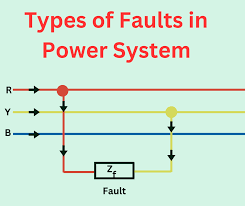
Understanding fault types helps you appreciate why different protection methods exist for different situations.
Single Line to Ground Fault
The single line to ground fault is the most common type in residential settings. It occurs when one energized conductor contacts a grounded surface or the ground wire directly. This fault type accounts for roughly 70–80% of all electrical faults in power systems.
In a home, this typically looks like a damaged wire touching a metal junction box, a faulty appliance creating a live chassis, or moisture bridging a gap between a live conductor and a grounded surface.
Arcing Ground Faults — The Most Dangerous Type
Arcing ground faults deserve special attention because they represent the highest fire risk of any fault type. An arcing fault occurs when current jumps across an air gap between conductors rather than flowing through solid contact. That arc generates temperatures exceeding 35,000°F — hotter than the surface of the sun.
These extreme temperatures ignite surrounding insulation, wood framing, and building materials instantly. Worse, arcing faults often occur inside wall cavities where nobody sees them until smoke appears or a wall catches fire.
Arcing faults lead to more than 28,000 residential fires each year in the United States, leading to over 300 fatalities and causing approximately $700 million in damage to property. — U.S. Consumer Product Safety Commission electrical safety data
Arc Fault Circuit Interrupters (AFCIs) exist specifically to detect these dangerous arcing signatures and cut power before ignition occurs. The NEC now requires AFCI protection in virtually all living areas of new residential construction.
Dangers and Risks of Electrical Ground Faults
Electrical Shock and Electrocution Risk
The human body conducts electricity. When you become part of a fault current’s path to ground — touching a faulty appliance, contacting a live surface, or standing in water near energized equipment — current flows through your body with potentially fatal consequences.
Current level effects on the human body:
| Current Level | Effect on Human Body |
| 1 mA | Slight tingling sensation |
| 5 mA | Mild shock — generally not harmful |
| 10–20 mA | Painful shock — possible muscle freeze |
| 50–150 mA | Extreme pain, respiratory arrest risk |
| 100–300 mA | Ventricular fibrillation — often fatal |
| 6,000 mA+ | Severe burns, cardiac arrest, death |
Standard household circuits can deliver far more than 300 mA. Without GFCI protection that trips in as little as 1/40th of a second, a ground fault contact can prove fatal before your body even registers the danger.
Electrical Fires Caused by Ground Faults
Electrical ground faults ignite fires in two primary ways. First, fault current flowing through unintended paths generates heat in materials not designed to handle it — insulation, wood framing, and building materials catch fire gradually. Second, arcing faults produce instantaneous extreme heat that ignites surrounding combustibles immediately.
The insidious nature of ground fault fires lies in their hidden starting points. A fault in a wall cavity smolders for hours before breaking through to visible surfaces. By that time, fire has spread through multiple wall cavities and is well established before anyone notices.
Annual U.S. electrical fire statistics:
- 51,000+ home electrical fires annually
- 500+ deaths per year from electrical fires
- 1,400+ injuries annually
- $1.3 billion in property damage each year
Equipment and Appliance Damage
Beyond the human safety risks, electrical ground faults destroy equipment. Voltage spikes accompanying fault events can damage sensitive electronics, burn out motors, and corrupt data storage devices. Industrial facilities calculate ground fault equipment damage costs in the millions — a single unprotected fault event can destroy expensive machinery and trigger costly production shutdowns.
How to Detect Electrical Ground Faults
Warning Signs of a Ground Fault in Your Home
Your home tells you when something is wrong electrically. Learn to read these signals:
- Repeatedly tripping GFCI outlets — a GFCI that keeps tripping has a reason; find it
- Tingling sensation when touching appliances or metal fixtures
- Burning smell from outlets, switches, or the electrical panel
- Flickering or dimming lights without an obvious cause
- Warm outlet covers or switch plates to the touch
- Scorch marks or discoloration around outlets and switches
- Breakers that won’t stay reset — the fault is still present
Never ignore these warning signs. Each one represents your electrical system trying to protect you.
Using a Multimeter to Test for Ground Faults
A digital multimeter allows basic ground fault detection at the outlet level. Here’s a simplified testing approach:
Safety first — always:
- Turn off the circuit at the breaker before opening any outlet
- Use insulated tools rated for electrical work
- Never work on live circuits without proper training
Basic outlet ground fault test:
- Set multimeter to AC voltage mode
- Insert probes into hot slot (smaller) and ground hole
- Normal reading — approximately 120V AC
- Insert probes into neutral slot (larger) and ground hole
- Normal reading — 0V or very close to zero
- Any significant voltage between neutral and ground indicates a potential fault condition
Readings outside these parameters warrant professional investigation — not further DIY exploration.
Professional Ground Fault Detection Methods
Licensed electricians use sophisticated tools that go far beyond a basic multimeter:
- Insulation resistance testing (megger testing) — applies high DC voltage to measure insulation integrity; degraded insulation shows dramatically reduced resistance
- Time domain reflectometry (TDR) — sends electrical pulses through wiring and analyzes reflections to pinpoint fault locations within inches
- Thermal imaging cameras — detect heat signatures from fault current flowing through unintended paths inside walls
- Power quality analyzers — identify fault-related voltage anomalies and current imbalances across entire circuits
Ground Fault Protection Devices — Your Best Defense
GFCI Outlets — How They Work and Where You Need Them
The Ground Fault Circuit Interrupter (GFCI) is the single most important electrical safety device ever developed for residential use. Its operating principle is elegant. A GFCI continuously monitors the current flowing out on the hot wire and returning on the neutral wire. Under normal conditions, these values match perfectly.
When a ground fault occurs, some current escapes the circuit — through a person, through water, through a faulty appliance. The returning neutral current drops below the outgoing hot current. The GFCI detects this imbalance — as small as 4–6 milliamps — and cuts power in 1/40th of a second. Fast enough to prevent electrocution in most scenarios.
NEC-required GFCI locations:
| Location | GFCI Required? | Notes |
| Bathrooms | ✅ Yes | All outlets |
| Kitchens | ✅ Yes | Within 6 feet of sink |
| Garages | ✅ Yes | All outlets |
| Outdoors | ✅ Yes | All exterior outlets |
| Basements | ✅ Yes | Unfinished areas |
| Crawl spaces | ✅ Yes | All outlets |
| Pool and spa areas | ✅ Yes | Strict requirements |
| Boathouses | ✅ Yes | All outlets |
Testing your GFCI monthly:
- Press the TEST button — power should cut immediately
- Verify connected devices lose power
- Press RESET to restore power
- If the outlet doesn’t trip or won’t reset — replace it immediately
GFCI Breakers vs GFCI Outlets
| Feature | GFCI Outlet | GFCI Breaker |
| Protection scope | Single outlet + downstream | Entire circuit |
| Installation location | Outlet box | Electrical panel |
| Cost | $15–$30 | $40–$80 |
| Best for | Specific high-risk locations | Whole circuit protection |
| Indicator light | Yes | Yes |
| Nuisance tripping | Less common | More sensitive |
Arc Fault Circuit Interrupters (AFCIs)
While GFCIs protect against ground fault shock hazards, AFCIs protect against the fire hazard of arcing faults. They detect the unique electrical signature of dangerous arcing — a pattern that standard breakers completely miss — and trip the circuit before ignition occurs.
The NEC requires AFCI protection in:
- All bedroom circuits
- Living rooms and family rooms
- Dining rooms and hallways
- Kitchens and laundry areas in newer code editions
Combination AFCI/GFCI breakers provide both protections simultaneously and represent the gold standard for residential circuit protection today.
How to Fix Electrical Ground Faults
Basic Troubleshooting Steps for Homeowners
When you suspect a ground fault, follow this safe sequence:
- Don’t panic — a tripped GFCI or breaker means the protection worked
- Unplug all devices on the affected circuit
- Reset the GFCI or breaker — if it holds, plug devices back in one at a time
- Identify the culprit — the device that causes the trip when plugged in is the problem
- Remove that device from service immediately
- If the breaker trips without any devices plugged in — the fault is in the wiring itself; call an electrician
When to Call a Licensed Electrician
Some situations demand professional expertise. Don’t attempt DIY repairs when:
- The breaker trips immediately upon reset with nothing plugged in
- You smell burning from outlets, switches, or the panel
- Multiple circuits experience simultaneous faults
- The electrical panel shows scorch marks or signs of heat damage
- Any wiring in your home is older than 30–40 years and has never been inspected
- GFCI outlets trip repeatedly without an obvious cause
- You find melted insulation or discolored wiring anywhere
Average professional ground fault repair costs:
| Service | Typical Cost Range |
| Basic fault diagnosis | $100–$200 |
| Outlet replacement | $150–$300 |
| Circuit rewiring (per circuit) | $500–$1,500 |
| Full panel replacement | $1,500–$4,000 |
| Whole-home rewiring | $8,000–$20,000+ |
Preventing Electrical Ground Faults
Prevention costs far less than repair — and infinitely less than tragedy.
Complete prevention checklist:
- Install GFCI protection in all NEC-required locations
- Install AFCI breakers in all living areas
- Schedule professional electrical inspection every 5–10 years
- Replace appliances with damaged cords immediately
- Never use extension cords as permanent wiring solutions
- Avoid overloading circuits with high-draw appliances
- Keep electrical panels clear and accessible
- Address any moisture intrusion near electrical systems immediately
- Test all GFCI outlets monthly
- Consider whole-home rewiring if wiring exceeds 40 years of age
Frequently Asked Questions About Electrical Ground Faults
What Causes an Electrical Ground Fault?
Electrical ground faults occur when current escapes its intended circuit path and flows through an unintended route to ground. Common causes include damaged wire insulation, moisture intrusion, faulty appliances, improper wiring, and overloaded circuits generating excessive heat.
How Dangerous Are Electrical Ground Faults?
Extremely dangerous. Ground faults cause electrocution, electrical fires, and equipment destruction. As little as 100 milliamps of fault current through the human body can cause fatal cardiac arrhythmia — and standard household circuits can deliver hundreds of times that amount.
What Distinguishes a Ground Fault from a Short Circuit?
A ground fault involves current escaping to an unintended ground path — often involving people or structures. A short circuit involves direct contact between hot and neutral conductors, bypassing the load.Both are hazardous, yet they operate through distinct processes.
How Do I Know If I Have a Ground Fault?
Watch for repeatedly tripping GFCI outlets, tingling sensations when touching appliances, burning smells from outlets or panels, flickering lights, warm outlet covers, and scorch marks around electrical devices.
Can I Fix a Ground Fault Myself?
Basic troubleshooting — unplugging devices to identify a faulty appliance — is safe for homeowners. However, any fault originating in the wiring itself requires a licensed electrician. Electrical work beyond simple device replacement carries serious safety and legal risks without proper training.
What Does a GFCI Outlet Do?
A GFCI outlet monitors current balance between hot and neutral conductors. When it detects an imbalance as small as 4–6 milliamps — indicating current is escaping through an unintended path — it cuts power in 1/40th of a second, preventing electrocution.
How Much Does It Cost to Fix an Electrical Ground Fault?
Costs range from $100–$300 for simple outlet or device issues to $8,000–$20,000+ for whole-home rewiring in cases of severely degraded wiring. Professional diagnosis typically costs $100–$200 and identifies the most cost-effective repair path.
Conclusion
Electrical ground faults are silent, invisible, and genuinely deadly. They hide inside walls, lurk inside aging appliances, and wait for the right combination of circumstances to become catastrophic. But here’s the empowering truth — they’re also among the most preventable electrical hazards you’ll ever face.
GFCI protection, AFCI breakers, regular inspections, and basic appliance maintenance eliminate the vast majority of ground fault risks in any home. The investment is modest. The alternative — a house fire, an electrocution, or tens of thousands in repair costs — is not.
Don’t wait for a tripped breaker or a burning smell to take electrical safety seriously. Your home is telling you something when those warning signs appear. Listen to it. Act on it. And when in doubt, call a licensed electrician who can see what you can’t.